If you ask most Francophiles to picture a classic French Christmas dessert, one iconic pastry immediately comes to mind: la bûche de Noël. Resembling a snow-dusted Yule log rolled with sponge cake and buttercream, it reigns supreme in Parisian patisseries every December.
Travel south to Provence, however, and you will discover an entirely different (and remarkably abundant) holiday ritual. Rather than a single show-stopping cake, Christmas Eve (le Réveillon) in southern France concludes with a symbolic table laden with thirteen distinct desserts (les treize desserts, or calenos in Provençal).
At Alliance Française Silicon Valley, we love exploring how regional traditions reveal the deeper soul of French culture. While the Parisian bûche celebrates the precision of haute pastry, Provence’s thirteen desserts embody Mediterranean generosity, ancient symbolism, and unhurried family gathering. Here is everything you need to know about France’s sweetest December tradition, along with the sensory vocabulary to describe every bite.
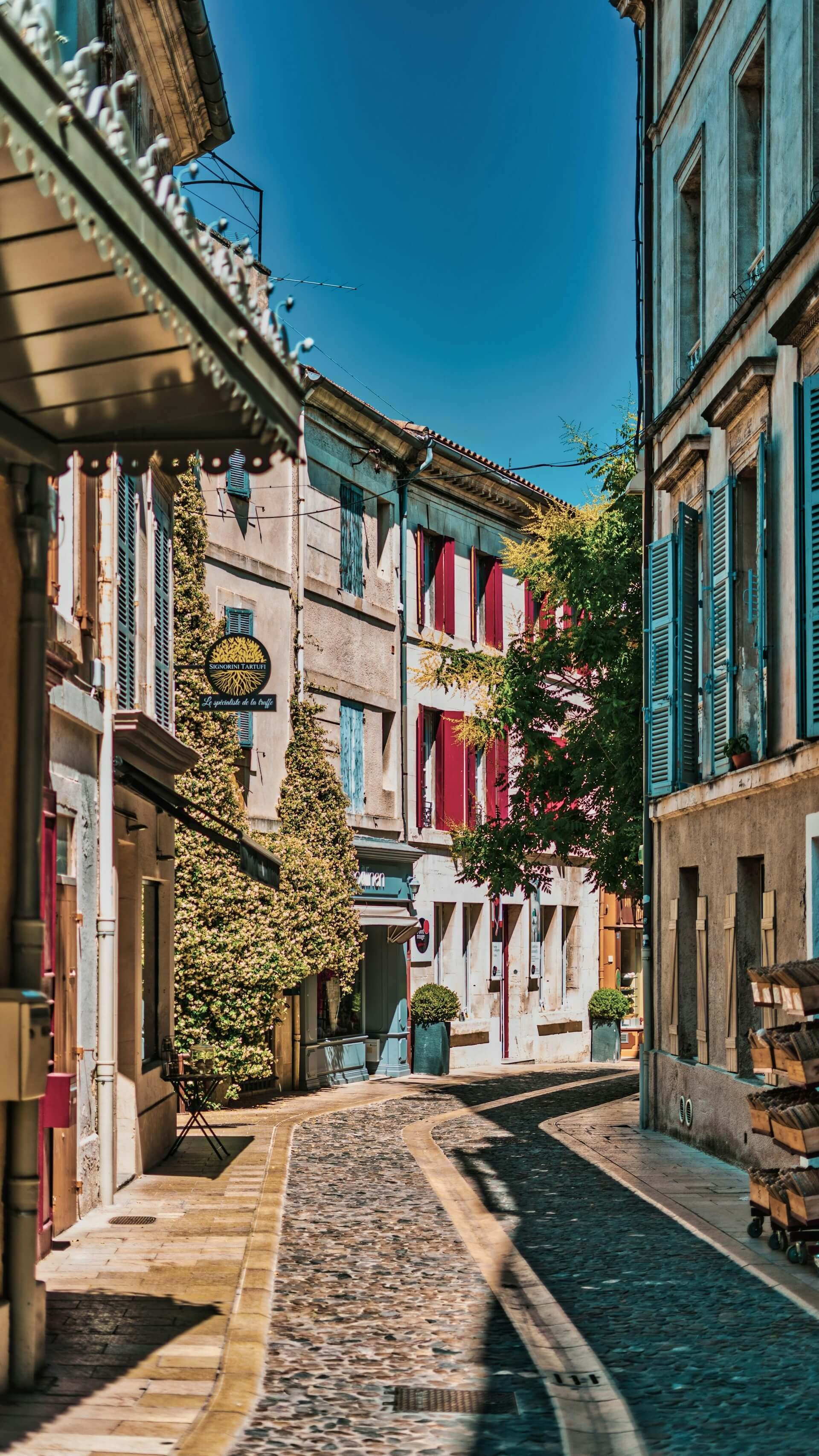
The tradition of serving abundant sweets after the light, meatless Christmas Eve supper (le gros souper) dates back centuries in Provence. However, it wasn't until 1925 that Provençal writer Joseph Fallen formally codified the exact number at thirteen, representing Jesus and the twelve apostles at the Last Supper.
Setting the table comes with strict, time-honored rules:
While exact lineups vary slightly between Marseille, Avignon, and Aix-en-Provence, every authentic Provençal table revolves around several non-negotiable staples:
This quartet of nuts and dried fruits forms the spiritual heart of the table. Each ingredient represents one of the four Catholic monastic orders whose robes matched the food's color:
Known in some towns as gibassié, this flat, golden, slightly crisp sweet bread is scented with orange blossom water (fleur d'oranger) and made with fruity Provençal olive oil rather than butter. Crucial rule: Never cut pompe à l'huile with a knife! Like bread at the Last Supper, it must always be broken by hand (rompre), or else you risk financial ruin in the coming year.
Symbolizing good and evil, light and dark, both nougats are mandatory. Nougat blanc is soft and airy, whipped with egg whites, lavender honey, pistachios, and almonds. Nougat noir is dense, crunchy, and intense, crafted solely from caramelized honey and roasted almonds without egg whites.
To reach the magic number of thirteen, families round out the spread with seasonal fruits and regional confections:
Whether you are sampling calissons in Provence or sharing holiday treats at a Silicon Valley dinner party, mastering French sensory adjectives will elevate your table conversation:
| French Term | Pronunciation | Meaning & Culinary Usage |
| Croquant(e) | [kroh-kahn] | Crunchy or crisp (ideal for roasted almonds, nougat noir, or pastry crusts). |
| Moelleux / Moelleuse | [mwah-luh] | Soft, tender, and pillowy on the inside (perfect for pompe à l'huile or sponge cake). |
| Fondant(e) | [fohn-dahn] | Meltingly smooth in the mouth (used for chocolate truffles, calissons, or nougat blanc). |
| Parfumé(e) | [par-foo-may] | Fragrant and aromatic (especially when scented with orange blossom, honey, or citrus zest). |
| Gourmand(e) | [goor-mahn] | Indulgent, rich, and generously satisfying. |
Food is one of the most joyful gateways into French language and history. Whether you prefer the sleek elegance of a Parisian bûche de Noël or the generous abundance of Provence’s thirteen desserts, bringing these traditions to your own holiday table is a wonderful way to keep your French alive over winter break.
Want to practice your culinary French in person? Keep an eye on our AFSV Cultural Events & Winter Workshops, where we bring seasonal French gastronomy, baking, and conversation together right here in the South Bay.
And if you are ready to set your language goals for the new year, explore our upcoming winter session French classes or schedule customized private lessons. Active students can also stream holiday cooking specials from across France on demand via their sponsored TV5MONDE+ access.
In Paris and northern France, the centerpiece of Christmas Eve dinner is typically a single elaborate pastry, most famously the rolled bûche de Noël (Yule log). In Provence, tradition dictates serving thirteen distinct desserts together, combining dried fruits, nuts, nougats, olive oil bread, and fresh winter fruits, symbolizing Jesus and the twelve apostles.
According to Provençal tradition, cutting pompe à l'huile with a knife brings bad luck and financial ruin in the coming year. Instead, it must be torn or broken by hand (rompre le pain), echoing how bread was shared at the Last Supper.
Not at all! In fact, even in Provence, families traditionally purchase artisanal calissons, nougats, candied fruits, and pompe à l'huile from trusted local pâtissiers and confiseurs at December Christmas markets, arranging them alongside fresh winter fruits and nuts at home.
The official Office de Tourisme d'Aix-en-Provence publishes annual guides to the Marché des 13 Desserts held every December in the heart of Aix, showcasing local artisans, bakers, and confectioners.
Mondays 2-4pm
Tuesdays 2-6pm
Thursdays 10am-2pm
Saturdays 10am-12pm
We will be closed from November 23rd through the 28th
Alliance Française Silicon Valley
Los Gatos, CA 95032
Leave a Comment