When October settles over the valleys of France, the air turns fragrant with crushed skins, damp soil, and wood smoke. In Bordeaux, the Côte-d'Or of Burgundy, and the sun-soaked terraces of the Rhône, tranquil hillside rows erupt into concentrated, rhythmic activity.
This is les vendanges: the annual grape harvest.
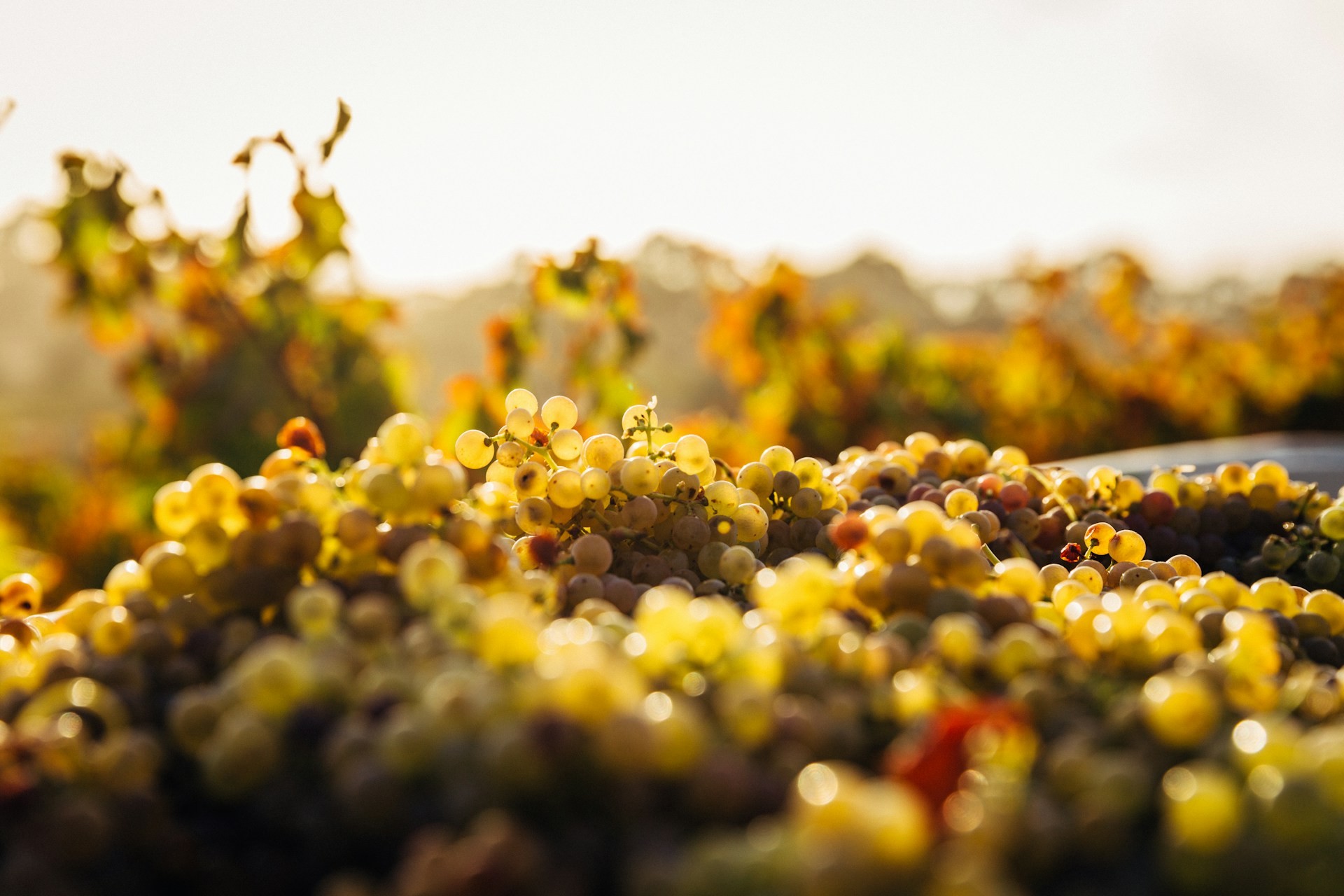
In France, les vendanges is far more than an agricultural deadline; it is an ancient communal ritual balancing backbreaking
physical labor, high-stakes meteorological gambles, and celebratory culinary traditions.
For those of us living in Silicon Valley, this seasonal rhythm feels surprisingly familiar. With the historic estates of the Santa Cruz Mountains along our western ridgeline and Napa and Sonoma just a scenic drive north, we share an intimate kinship with the world of viticulture.
Understanding the ritual of les vendanges unlocks not only how iconic vintages come to life, but also how French language, culture, and land intertwine.
The harvest across France remains largely a human endeavor. In prestigious appellations like Champagne or the steep slopes of the Northern Rhône, hand-harvesting (vendange manuelle) is mandatory by law to preserve whole clusters from oxidation and damage.
Every autumn, thousands of seasonal workers (students, retirees, and travelers from across Europe) gather in vineyard dorms and camps. Armed with curved shears (le sécateur) and harvest buckets (le seau or le panier), pickers work row by row from sunrise to late afternoon.
The physical toll is real, but so is the camaraderie. Days culminate in hearty field lunches accompanied by rustic local wines, followed by the grand finale: le banquet de fin de vendanges.
Known in Burgundy as la paulée and in Bordeaux as la gerbaude, this celebratory feast marks the final bin brought to the press. Winemakers, cellar hands, and field workers sit at long trestle tables to share regional charcuterie, roasted meats, and treasured library bottles, toasting the birth of a new vintage with the communal cry of "Santé !"
Whether you are touring a boutique tasting room in Saratoga or wandering a cellar in Beaune, mastering core French viticultural terms changes how you evaluate what is in your glass.
| Term | Pronunciation | What It Actually Means |
| Le Terroir | [tehr-wahr] | The untranslatable soul of French wine. It encompasses soil composition, microclimate, sun exposure, slope altitude, and human tradition. In France, wines are named after their terroir (e.g., Chablis, Sancerre), not the grape variety. |
| Le Cépage | [say-pahzh] | The specific grape variety (Pinot Noir, Chardonnay, Cabernet Franc, Syrah). While American labels highlight the cépage, French labels typically expect you to deduce it from the appellation. |
| Le Millésime | [mee-lay-zeem] | The vintage year the grapes were harvested. Because French winemakers adhere to strict non-intervention rules, weather variations make every millésime taste noticeably distinct. |
| La Robe du Vin | [rohb dew van] | Literally "the dress of the wine"—a poetic phrase describing the wine’s visual appearance, clarity, hue, and color intensity when tilted against a white background. |
Cultural Note: How are these rules maintained? In France, the integrity of these regional traditions is strictly
governed by the Institut National de l'Origine et de la Qualité (INAO), the official
government body establishing protected designations of origin (Appellation d'Origine Contrôlée, or AOC).
The dialogue between French viticulture and California winemaking has run deep for over a century:
[French Heritage Rootstocks] + [California Sun & Technical Innovation] = [World-Class Transatlantic Winemaking]
Tasting wine through the lens of language transforms casual sipping into sensory appreciation. When you know the vocabulary, you can converse with winemakers, decode vintage charts, and navigate a French restaurant list without hesitation.
At Alliance Française Silicon Valley, our seasonal cultural programming regularly features targeted wine tasting and gastronomy workshops led by bilingual sommeliers and regional experts.
If you are eager to build the conversational fluency needed for your next cellar tour, explore our upcoming adult French classes or arrange flexible private lessons tailored to your personal interests. Active students can also tune into culinary and agricultural documentaries on demand via their sponsored TV5MONDE+ streaming subscription.
Les vendanges generally occur between mid-August and late October. Southern regions like Provence and Languedoc harvest earlier, while cooler northern areas like Champagne, Alsace, and the Loire Valley pick later into the autumn.
French wine laws prioritize the concept of terroir and region of origin (appellation) over the grape itself. For instance, a red Burgundy is understood to be Pinot Noir, and a red Bordeaux is a blend based on Cabernet Sauvignon, Merlot, and Cabernet Franc.
Vendanges manuelles are harvested entirely by hand using pruning shears, allowing for careful sorting of pristine grapes on the vine. Vendanges mécaniques use tractor-driven harvesting machines, which are faster and cost-effective on flat terrains but cannot select individual clusters with the same precision.
Join our AFSV cultural tastings and conversational workshops in Palo Alto and Los Gatos! Our events provide a relaxed, social atmosphere to practice sensory French terminology while tasting exceptional wines. Check our AFSV Cultural Calendar for upcoming dates.
Leave a Comment