There is a distinct kind of football team that tournament favorites absolutely dread facing. It isn’t the team with flashiest modern wingers or the highest social media following. It is the disciplined, highly calculated, and defensively airtight squad that functions with the absolute reliability of an expensive chronograph.
Enter the Swiss National Team: affectionately known as the Nati.
As the global tournament shifts into high gear across North America, our ongoing country-specific series at Alliance Française Silicon Valley brings us to the foothills of the Alps. Having already tracked the explosive style of France and the emotional depth of Senegal, we are analyzing Group B’s ultimate tactical underdog. Switzerland arrives on our local Bay Area pitches holding a reputation as the tournament's premier "Giant Killers", a title earned through a mastery of structural defensive organization.
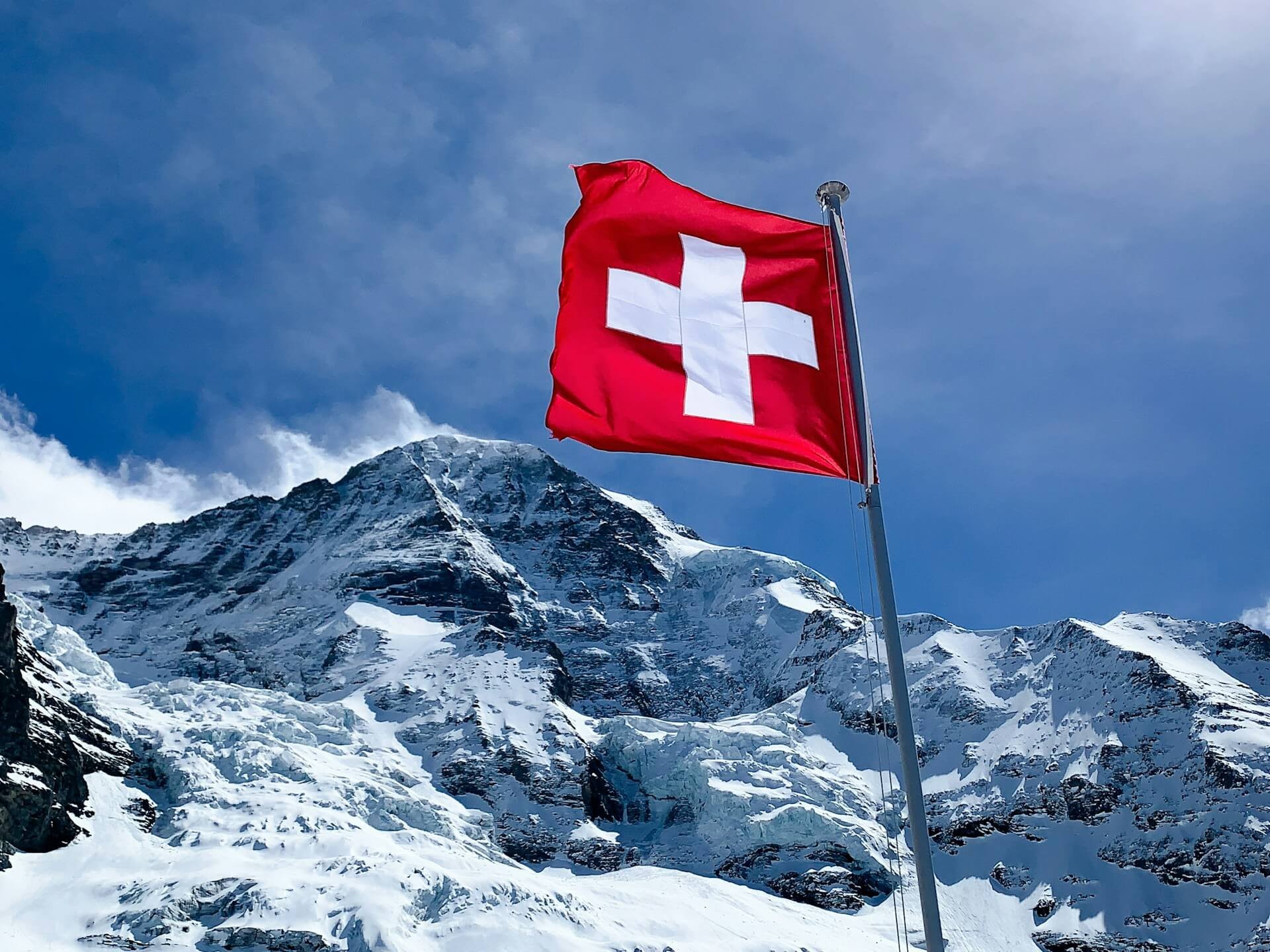
Under the watchful eyes of head coach Murat Yakin, Switzerland has perfected a suffocating defensive blueprint. Yakin, a former legendary central defender himself, built an unbreakable infrastructure during the qualification rounds, demanding that individual egos surrender completely to the collective system.
The strategy lands the Swiss directly in Group B, setting up incredibly high-stakes matchups:
[Inter Milan's Manuel Akanji] + [Real Betis' Ricardo Rodriguez] = [The Structural Foundation of the Swiss Wall]
To execute this system, Yakin relies on world-class defensive personnel. Inter Milan's powerhouse Manuel Akanji anchors the center-back position, seamlessly paired with the veteran experience of Ricardo Rodriguez. Behind this wall stands Borussia Dortmund's elite shot-stopper, Gregor Kobel.
This rigid structure frees the ageless midfielder and team captain, Granit Xhaka, to dictate the tempo of the entire match, launching quick, devastating transitions to technical wingers like Dan Ndoye and Noah Okafor.
What makes Switzerland truly fascinating from a cultural perspective is its unique status as a quadlingual nation. The squad features players who grew up speaking Swiss-German, French, Italian, and Romansh.
In the dressing room, this multilingual reality shapes a highly collaborative team dynamic. It is a brilliant reflection of how diverse linguistic communities can build a single, unified purpose.
For our students at AFSCV, this is a powerful real-world example of how language bridges cultural divides. When the team steps onto the pitch, they aren’t just representing a territory; they are representing a complex linguistic mosaic where mutual respect is the primary rule.
For language learners exploring the wider Monde Francophone, Swiss-French (le français suisse) offers a delightfully logical alternative to traditional European French. If you listen to a match commentary broadcast from Geneva, Lausanne, or Neuchâtel, your ears will instantly pick up on a cleaner, mathematically simpler linguistic structure.
The most famous difference lives within the numbering system. While France uses complex historical multiplication structures for numbers past 60, the Swiss prefer a direct, intuitive route:
Why it's a learner's dream: When a Swiss commentator calls out the 75th minute of a match, they will say "septante-cinq" instead of the lengthy "soixante-quinze". It’s a linguistic shift that instantly relieves listening anxiety!
The World Cup is the absolute ultimate classroom for passive immersion. Listening to the tactical breakdowns of Swiss commentators will challenge your brain to register regional intonations outside of the standard Parisian accent.
Through our premier partnership at AFSCV, all active students are gifted a 3-month TV5MONDE French Bouquet streaming subscription via Sling. You can log into the Sling app on your smart devices to watch live global analysis, match reviews, and French-language panels focusing on Group B’s competitive landscape.
If you are inspired to build your own linguistic precision before the tournament's knockout rounds begin, explore our upcoming French classes or coordinate customized private lessons to align directly with your personal learning schedule.
For real-time fixture updates, official squad announcements, and regional venue logistics, check the official FIFA World Cup Platform.
Switzerland is playing entirely on the West Coast! They open against Qatar right here in the Bay Area (Santa Clara) on June 13th, face Bosnia and Herzegovina in Los Angeles on June 18th, and wrap up against Canada in Vancouver on June 24th.
Because the team represents multiple language regions, players typically communicate in a mix of Swiss-German and French, though English is occasionally used as a neutral bridge during complex tactical drills.
Not at all! In fact, many English speakers find the Swiss-French accent slightly easier to understand because the pacing of speech is traditionally slower, more rhythmic, and clearer than the rapid-fire cadence of Parisian French.
Leave a Comment